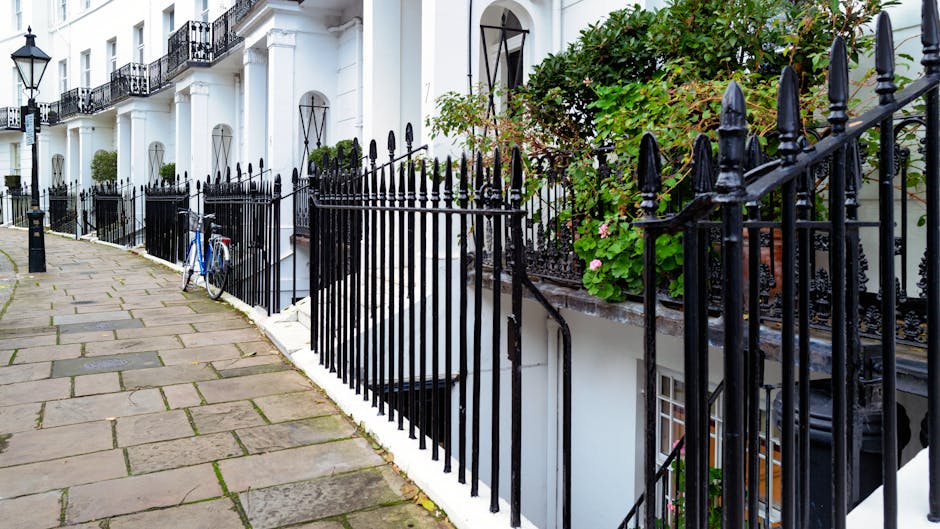
Kensington council rules for pressure cleaning and fines: what you need to know before you start
If you are planning to clean a driveway, patio, facade, or even a shopfront, the last thing you want is a knock-on complaint, a messy run-off issue, or a fine you did not see coming. The truth is, Kensington council rules for pressure cleaning and fines are less about the machine itself and more about how the work affects pavements, drainage, neighbours, and public spaces. That means the safest approach is usually the simplest one: control the water, control the noise, and keep the job tidy from start to finish.
This guide breaks down what those rules typically mean in practice, where fines can come from, and how to plan pressure washing in a way that is sensible, compliant, and a lot less stressful. If you are a homeowner, landlord, managing agent, or business owner, you will find a clear step-by-step approach below, plus practical tips that can save time, money, and awkward conversations on the day.
Why Kensington council rules for pressure cleaning and fines Matters
Pressure cleaning looks harmless enough. A bit of water, some spray, a cleaner surface. Easy, right? Well, not always. In a dense London area like Kensington, the way wastewater moves matters just as much as the surface being cleaned. If dirty water runs across a pavement, into a road gully, or onto a neighbour's frontage, that can quickly become a problem.
That is why local enforcement around pressure washing often focuses on nuisance, drainage, environmental contamination, and obstruction. A job that seems perfectly ordinary from the property line can become an issue if slurry, detergents, moss, oil, or paint residue ends up where it should not. And when that happens, the "fine" part becomes very real.
To be fair, most people do not set out to breach anything. The issue is usually poor preparation. A contractor turns up without a water containment plan, a resident uses a domestic washer on a sloped forecourt, or someone rinses debris straight toward the street. The outcome is the same: avoidable risk and unnecessary hassle.
If your cleaning project is part of a wider property reset, it may help to think in terms of the whole site rather than one surface. For example, after refurbishment, a job might need after builders cleaning for the indoors and controlled exterior washing for the outside. That wider view usually keeps things smoother, cleaner, and far less likely to trigger complaints.
How Kensington council rules for pressure cleaning and fines Works
There is not usually one single "pressure washing law" people talk about in everyday conversation. Instead, several overlapping rules and expectations can apply. Some relate to environmental protection, some to public safety, and some to nuisance or property maintenance. In plain English: if your cleaning causes mess, pollution, danger, or repeated complaints, you may be exposed to enforcement.
Here is how it tends to work in practice:
- The council receives or observes a concern. This might come from a neighbour, a passer-by, a building manager, or an officer noticing run-off, debris, or repeated misuse of water.
- The issue is assessed. Not every clean-up leads to formal action. Officers will usually consider severity, recurrence, and whether harm or inconvenience has actually occurred.
- You may be advised or warned first. In many real-world situations, people are asked to stop the problem, clean it up, or put controls in place.
- Formal enforcement can follow. If the issue continues or is serious, a penalty may be issued under the relevant local powers.
Fines are rarely about "having a pressure washer". More often they relate to how the equipment was used. That distinction matters. A careful operator using barriers, low-pressure methods, and proper wastewater control is in a very different position from someone blasting dirty water into the street at 8 a.m. on a weekday.
In practical terms, the safest approach is to plan for three things before you start: where the water goes, what the surface can tolerate, and who might be affected. That sounds basic, but frankly it prevents most issues.
Key Benefits and Practical Advantages
Working within the right council expectations does more than avoid trouble. It usually improves the quality of the clean itself. When you take the time to prepare properly, the results tend to look better and last longer.
- Lower risk of fines or complaints: Clean work is less likely to draw attention for the wrong reasons.
- Better finish: Controlled pressure and proper pre-treatment often produce a more even result.
- Less surface damage: Stone, render, timber, and older brickwork can be surprisingly delicate.
- Cleaner drainage and fewer stains: Wastewater management prevents ugly run-off marks and blocked channels.
- Safer for residents and visitors: Less spray on pavements means fewer slip hazards.
- More professional impression: Particularly important for landlords, offices, shops, and managed blocks.
There is also a quieter benefit people often miss: peace of mind. If you have ever had a neighbour ask, with that slightly tense half-smile, "What exactly is going on out there?" you already know the value of doing things properly. Calm job, clean finish, no drama.
For businesses and landlords, this matters even more. Exterior cleaning around a property can sit alongside other ongoing upkeep, such as commercial cleaning, communal area cleaning, or office cleaning, where consistency and compliance are part of the brand, not just the appearance.
Who This Is For and When It Makes Sense
This topic is relevant to much more than large contractors. In Kensington, pressure cleaning issues can affect all sorts of people:
- Homeowners cleaning patios, paths, garden walls, or driveways
- Landlords preparing a rental between tenancies
- Managing agents responsible for shared entrances or courtyards
- Businesses maintaining shopfronts, forecourts, and signage areas
- Contractors working on facades, exterior stone, or post-build tidy-ups
- Residents in flats where water run-off may affect neighbours below or beside them
It makes sense to pay attention to the rules whenever your cleaning is close to:
- a public pavement or road edge
- a drain, gully, or surface water point
- shared access areas
- old brick, delicate stone, or decorative surfaces
- nearby windows, parked cars, or adjoining buildings
A small terrace house job can be just as risky as a larger commercial one if the runoff has nowhere sensible to go. Sometimes the "little job" is the one that catches people out.
Step-by-Step Guidance
If you want the short version of how to stay on the right side of Kensington council rules for pressure cleaning and fines, follow a controlled process. Nothing fancy. Just methodical.
- Inspect the area first. Look for cracks, loose pointing, fragile render, blocked gullies, slopes, and anything that could direct dirty water into the wrong place.
- Identify the likely waste path. Ask yourself: where will the water, moss, grit, detergent, and lifted dirt actually end up?
- Protect sensitive areas. Cover vents, door thresholds, delicate plants, and adjoining finishes where possible.
- Use the lightest effective method. More pressure is not always better. In many cases, pre-treatment and slower passes work far more safely.
- Keep run-off contained. Use wet vacs, absorbent materials, or physical guidance to prevent spread. On some jobs, this is the difference between tidy and troublesome.
- Clean toward the containment point. Work in a way that moves dirty water to a controlled collection area rather than across open ground.
- Dispose of waste responsibly. Do not simply wash grime into public drainage without checking whether that is appropriate for the material being removed.
- Rinse and review. Check for streaks, residue, slippery patches, and overlooked edges once the main clean is complete.
If the surface is very dirty, a staged clean often works better than one aggressive blast. A quick first pass, a short dwell time, then a controlled rinse. That's usually the sweet spot.
For some properties, especially after works or tenant turnover, pressure cleaning is only one part of the wider reset. You might also need deep cleaning inside or end of tenancy cleaning before handover, which makes coordination even more important.
Expert Tips for Better Results
Here are the practical habits that make a real difference. These are the things experienced cleaners tend to do without even thinking about it, because they have seen what happens when they are skipped.
- Start with the least aggressive setting. You can always increase pressure, but you cannot un-etch stone or strip a soft surface once it is damaged.
- Pre-treat grime rather than forcing it off. Oil, algae, and stubborn staining often respond better to dwell time than raw force.
- Work in manageable sections. This gives you better control over rinse direction and finish quality.
- Think about timing. Early mornings can be quieter for traffic, but also more noticeable to neighbours. Mid-morning is often a calmer compromise.
- Check the weather. Wind can throw spray into the wrong place. Cold weather can leave lingering damp and slippery spots.
- Use proper surface-specific methods. A porcelain patio, brick wall, sandstone path, and composite decking all need different handling.
One small but useful habit: pause halfway through and stand back. Look at the surface from across the street or from the doorway. You often spot missed patches, splashback, or dull streaking much faster that way. It sounds simple, but it helps.
If your job involves exterior materials like stone or brick, facade cleaning can be a better fit than a generic high-pressure wash, because the method is usually chosen around the material rather than the machine.
Common Mistakes to Avoid
Most pressure cleaning fines or complaints are preventable. The same mistakes come up again and again, and they are honestly quite ordinary.
- Using too much pressure. This can damage joints, lift coatings, and spread debris further than intended.
- Ignoring drainage paths. If the water runs into the road, a gully, or a neighbour's property, expect trouble.
- Using harsh detergents carelessly. Even where a surface looks clean, residue can still create environmental or safety issues.
- Cleaning during busy pedestrian times. Splash and overspray become more of a public nuisance when foot traffic is heavy.
- Leaving slippery residue behind. A clean surface that is slippery is not really a finished job.
- Skipping a site check. Hidden defects, loose mortar, and cracks can worsen quickly under pressure.
There is also a social mistake, which sounds minor but is not. People sometimes assume nobody will mind because "it's only an hour". But if that hour sends muck across the pavement or into someone's front area, it becomes their problem too. And that rarely ends well.
For outdoor maintenance jobs around homes and blocks, it can help to think alongside other services such as patio cleaning, window cleaning, or gutter cleaning, because the same general principle applies: tidy workmanship, careful access, and no unnecessary mess.
Tools, Resources and Recommendations
You do not need a huge kit to do the job well, but you do need the right kit. The best setup is the one that gives you control, not just power.
| Tool or resource | What it helps with | Why it matters |
|---|---|---|
| Adjustable pressure washer | Controlling force on different surfaces | Reduces the risk of damage and splashback |
| Surface cleaner attachment | More even patio or paving cleaning | Helps reduce streaking and overspray |
| Wet vacuum or water recovery method | Collecting wastewater | Improves containment and tidiness |
| Absorbent materials | Managing accidental spread | Useful for small run-off correction |
| Protective sheeting or barriers | Shielding nearby surfaces | Helps prevent avoidable contamination |
| Surface-specific cleaners | Pre-treatment for dirt, algae, or stains | Allows gentler cleaning pressure |
If you are unsure what your surface can handle, stop and check before you start. A one-minute pause can save a very expensive repair. That is not dramatic, just practical.
For customer-facing properties, it can also be useful to review service standards and policies that sit around the job itself, such as health and safety policy, insurance and safety, and recycling and sustainability. They all support a more responsible approach, even if they are not about pressure cleaning alone.
Law, Compliance, Standards, or Best Practice
Because this topic touches public space, drainage, and possible environmental harm, it is wise to be careful rather than casual. The exact enforcement response can vary depending on the situation, but the underlying expectation is consistent: do not create nuisance, pollution, or risk.
Good practice in Kensington and across London usually means:
- keeping dirty water under control
- avoiding discharge that could contaminate drains or public areas
- preventing damage to shared surfaces
- minimising disturbance to neighbours and passers-by
- using equipment responsibly and with the right level of force
If you are hiring a cleaner, it is sensible to ask how they manage wastewater, what surfaces they specialise in, and whether they carry suitable cover. For businesses and landlords, asking those questions upfront is not awkward; it is simply sensible due diligence.
You might also want to read the provider's terms and conditions before booking, especially if access, weather, or surface condition could affect the work. It is one of those boring tasks that saves a lot of headaches later. Boring, yes. Useful, absolutely.
Options, Methods, or Comparison Table
Not every exterior clean needs the same approach. Sometimes pressure washing is the right answer, but not always. Here is a simple comparison to help you think it through.
| Method | Best for | Pros | Watch-outs |
|---|---|---|---|
| Low-pressure wash | Delicate surfaces, lighter dirt | Safer for fragile materials | May need pre-treatment and more time |
| Standard pressure clean | General paving and hard surfaces | Good balance of speed and control | Still needs runoff management |
| High-pressure cleaning | Heavy buildup on robust surfaces | Fast removal of stubborn grime | Higher risk of damage and splash |
| Specialist facade cleaning | Stone, brick, rendered exteriors | More material-sensitive approach | Usually needs a more careful assessment |
For a lot of Kensington properties, the real decision is not "pressure wash or not?" but "which method gives the clean result without upsetting the surface, the neighbours, or the drainage?" That is the better question, really.
Case Study or Real-World Example
Picture a small Kensington townhouse with a front path, a low wall, and a rear patio. The owner wants both areas cleaned before guests arrive on Friday evening. Straightforward job on paper.
On inspection, the path slopes slightly toward the pavement, the patio has algae near the drain line, and the brickwork on the side return looks older than the rest of the property. Rather than using one aggressive setting throughout, the cleaner maps the flow first, then works in sections. The path is treated with a lower-pressure pass, the patio gets a pre-treatment, and collection materials are placed where water might drift. The side return is handled more gently because the brick is porous and not in great condition.
The result? A much cleaner finish, no dirty run-off on the pavement, and no neighbour complaint the next morning. That is the kind of outcome people pay for, even if they do not always realise it in advance.
In a slightly different scenario, a landlord preparing for move-out might combine exterior work with move out cleaning and one off cleaning. The useful point is the same: the more coordinated the job, the less likely you are to get a surprise later.
Practical Checklist
Use this checklist before any pressure cleaning job in Kensington. It is simple, but it covers the essentials.
- Check the surface type and condition
- Identify slopes, gullies, drains, and run-off routes
- Decide whether pressure washing is suitable at all
- Choose the lightest effective setting
- Pre-treat stubborn dirt instead of forcing it off
- Protect nearby doors, vents, plants, and finishes
- Plan how wastewater will be contained or recovered
- Avoid spraying toward public pavements or shared areas
- Work at a sensible time and warn neighbours if needed
- Inspect the area again after cleaning
- Leave no slippery residue behind
- Document any concerns if you are a landlord or manager
Practical summary: if you control the water, choose the right pressure, and respect the space around the job, you reduce the chance of fines dramatically. That is the whole game, really.
Conclusion
Kensington council rules for pressure cleaning and fines are best understood as a reminder to clean responsibly, not a reason to panic. Most problems come from poor control, not from the act of cleaning itself. If you take a measured approach, think about drainage, and choose the right method for the surface, you are already ahead of the common mistakes.
For many people, the smartest move is to treat exterior cleaning as part of the property's wider upkeep plan, alongside indoor cleaning, maintenance, and safety. That way, every job supports the next one instead of creating fresh issues. A bit of planning goes a long way. Honestly, it really does.
If you want help with a property clean that needs care, efficiency, and a tidy finish, it makes sense to speak to a team that understands the practical side as well as the visible result.
Get a free quote today and see how much you can save.
Frequently Asked Questions
Can you pressure wash in Kensington without a permit?
In many cases, yes, but that does not mean anything goes. The key issues are how the water is managed, whether the job affects public space, and whether it causes nuisance or environmental problems. If a clean is close to the pavement, a drain, or shared access, extra care is wise.
What kind of pressure cleaning can lead to fines?
Fines are more likely where pressure cleaning creates dirty run-off, damages surfaces, blocks drains, or causes repeated complaints. The equipment itself is not usually the issue; misuse is. A careful, contained clean is a very different story.
Do council officers care about small domestic cleaning jobs?
They can do, especially if a small job affects the public highway, neighbouring property, or drainage. A little patio clean can still cause a visible mess if the runoff is not managed properly.
Is detergent allowed when pressure washing?
Sometimes yes, but it should be used carefully and only where appropriate for the surface and the cleaning outcome. The bigger question is what happens to the dirty water afterwards. That is where trouble usually starts.
What is the safest way to clean a patio in Kensington?
The safest method is usually the least aggressive one that still gets the job done. Pre-treat the surface, use controlled pressure, and keep wastewater contained. For delicate paving, a specialist approach may be better than a full-force wash.
Can pressure washing damage brickwork or render?
Yes, it can. Older brickwork, soft mortar, and rendered surfaces can all be harmed by too much pressure or the wrong nozzle. If in doubt, test a small hidden area first or use a lower-intensity method.
Who is responsible if water runs onto the pavement?
Generally, the person carrying out the work is responsible for managing the mess created by the clean. If you hire a contractor, it is sensible to ask how they handle run-off before they begin.
How do I avoid complaints from neighbours?
Keep noise and overspray down, choose a sensible time, and make sure dirty water does not spread beyond your property. A quick heads-up to close neighbours can help too. Simple, but effective.
Should businesses use a specialist for pressure washing?
Usually yes, especially for shopfronts, forecourts, office entrances, or shared commercial areas. Businesses often need a cleaner who understands safety, presentation, and compliance together. That combination matters more than just speed.
What should I ask a cleaner before booking?
Ask how they control wastewater, what surfaces they work on, whether they carry insurance, and what happens if the weather changes. Those questions tell you a lot. If the answers are vague, that's a bit of a warning sign.
Is pressure cleaning the same as facade cleaning?
Not quite. Pressure cleaning is a method; facade cleaning is a surface-specific service. A facade may need gentler techniques, depending on the material, age, and condition of the exterior.
Where can I find related cleaning services for a property reset?
If you are coordinating a larger property clean, useful related services may include patio cleaning, window cleaning, carpet cleaning, or house cleaning, depending on the job. It all depends on what needs attention first.