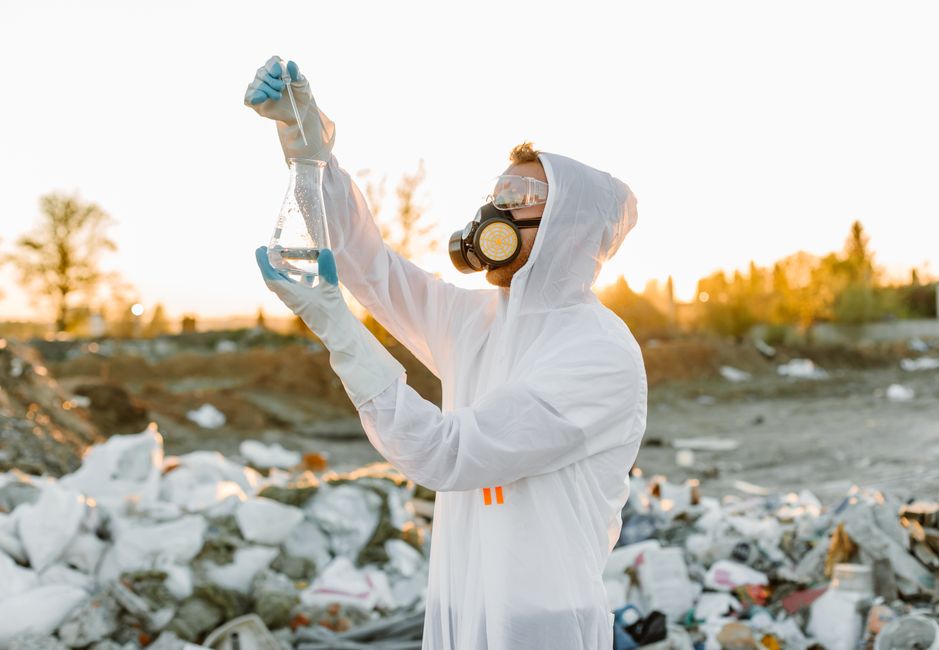
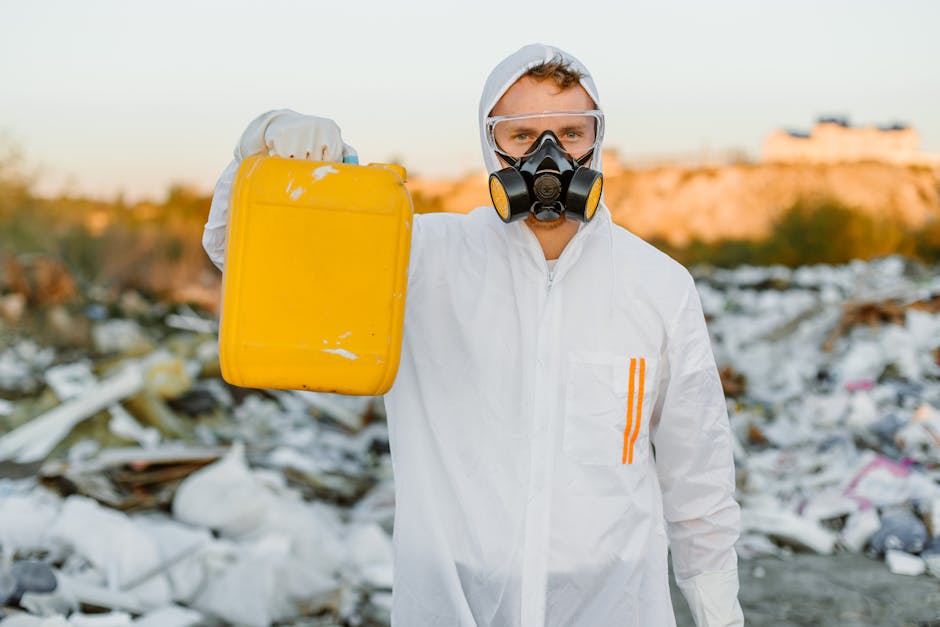
Royal Borough rules for hazardous waste from cleaning in Kensington
If you clean homes, offices, rentals, or communal spaces in Kensington, hazardous waste can appear in ways that are easy to miss at first: leftover bleach, solvent-based stain remover, oven cleaner, pesticide spray, contaminated cloths, and the odd half-used chemical bottle tucked under the sink. The Royal Borough rules for hazardous waste from cleaning in Kensington are there to make sure those materials are handled safely, legally, and without causing a mess for the next person. Truth be told, this is one of those topics people only think about after something goes wrong.
This guide breaks the subject down in plain English. You'll learn what usually counts as hazardous waste from cleaning, how it should be stored and separated, what to avoid putting into general waste or drains, and how to make sensible decisions whether you're cleaning at home, in a rental, or for a business. If you also want broader support on cleaning standards and safety, our health and safety approach and recycling and sustainability guidance are useful background reading.
Table of Contents
- Why Royal Borough rules for hazardous waste from cleaning in Kensington Matters
- How Royal Borough rules for hazardous waste from cleaning in Kensington Works
- Key Benefits and Practical Advantages
- Who This Is For and When It Makes Sense
- Step-by-Step Guidance
- Expert Tips for Better Results
- Common Mistakes to Avoid
- Tools, Resources and Recommendations
- Law, Compliance, Standards, or Best Practice
- Options, Methods, or Comparison Table
- Case Study or Real-World Example
- Practical Checklist
- Conclusion
- Frequently Asked Questions
Why Royal Borough rules for hazardous waste from cleaning in Kensington Matters
Hazardous waste is not just a big-business problem. In everyday cleaning, it can be surprisingly ordinary. A strong descaler used in a bathroom deep clean, a solvent-heavy carpet stain treatment, or an old container of polish left in a cupboard may all need more care than standard rubbish. In a busy area like Kensington, where properties range from compact flats to larger period homes and commercial premises, the risk is mostly about misunderstanding what should be separated, sealed, or handed over differently.
The main reason the rules matter is simple: unsafe disposal can put people, pets, cleaners, and the environment at risk. Spilling chemicals into bins, sinks, or shared bin stores can create fumes, leaks, contamination, or a nasty reaction nobody wants to deal with on a Monday morning. It also creates practical problems for landlords, facilities teams, and cleaning crews who have to sort out the aftermath.
There's also a reputational side to this. Let's face it, nobody wants to be the person who caused a bin room incident because a corrosive product went into the wrong bag. If you're managing a property, handling end-of-tenancy work, or running a business, getting this right shows care and professionalism. Small detail, big difference.
Expert summary: In Kensington, hazardous cleaning waste should be identified early, kept separate from ordinary rubbish, stored safely, and taken through the correct disposal route. If in doubt, treat the item cautiously rather than casually.
How Royal Borough rules for hazardous waste from cleaning in Kensington Works
At a practical level, the system is about classification first and disposal second. Before anything leaves the property, you need to decide whether it is ordinary non-hazardous waste, recyclable packaging, or a hazardous item that needs special handling. The labels on products matter, but so does what has happened to them. A nearly empty bottle of bleach is one thing; a rag soaked in solvent cleaner is another. Same cupboard, different risk.
For most cleaning jobs, the process works like this:
- Identify the product or residue.
- Check whether it is corrosive, toxic, flammable, or otherwise hazardous.
- Keep it in its original container where possible.
- Separate it from general waste and recyclables.
- Store it upright and sealed, away from heat and other chemicals.
- Arrange disposal in line with the property's waste process or a suitable collection route.
That sounds straightforward, and usually it is. The wrinkle is that cleaning waste often comes in mixed forms. A bottle may be empty except for residue. A mop head may have absorbed detergent and dirt. A cloth may have picked up paint stripper during an after-builders clean. These mixed items need a bit of judgement, not guesswork.
If you're arranging a larger clear-out after renovation, a deep clean, or a move-out, it helps to separate waste streams as you go. Our after-builders cleaning and end-of-tenancy cleaning pages are useful examples of the kinds of jobs where hazardous residues can turn up unexpectedly.
One practical point that gets overlooked: drains are not a disposal shortcut. Even water-diluted chemicals can remain hazardous, and some can damage pipework or create problems downstream. If you wouldn't drink it, sniff it, or pour it without checking twice, it probably deserves more caution. Maybe a little more caution than that, even.
Key Benefits and Practical Advantages
Following the correct approach is not just about ticking a compliance box. It makes the whole cleaning operation calmer, safer, and more efficient.
- Less risk of accidents: separating chemical waste reduces the chance of leaks, burns, fumes, and contamination.
- Cleaner bin areas: shared waste stores stay tidier when hazardous items are handled properly from the start.
- Better compliance posture: you are less likely to create problems with building managers, landlords, or contractors.
- More professional cleaning workflow: staff know what to keep, what to isolate, and what to flag.
- Improved sustainability: correct segregation supports better recycling and reduces avoidable waste.
There is also a quieter benefit: peace of mind. If you are cleaning an office after a spill, or dealing with a flat that has had a long-overdue clear-out, the last thing you want is a second problem created by the waste itself. Safe handling takes a little discipline, but it saves a lot of hassle later.
For commercial settings, this can fit neatly alongside wider cleaning routines such as commercial cleaning, office cleaning, and communal area cleaning, where consistent procedures matter day after day.
Who This Is For and When It Makes Sense
This topic matters to a broader group than people often assume. If you're dealing with cleaning in Kensington, you may need to think about hazardous waste even if you are not a facilities manager or contractor.
- Homeowners and tenants: especially after a deep clean, accident cleanup, or DIY stain removal.
- Landlords and letting agents: where move-in or move-out jobs can leave behind chemicals, aerosols, or contaminated items.
- Offices and shops: where janitorial products, disinfectants, and maintenance chemicals build up over time.
- Cleaning teams: domestic, commercial, or specialist cleaners who handle products daily.
- Hospitality hosts: including short-let operators who need quick turnaround with no shortcuts.
- Property managers: dealing with shared bins, service yards, and resident complaints when disposal goes wrong.
It makes sense any time you have products with warning symbols, strong odours, unknown contents, or items soaked with chemicals. In fact, even a simple one-off clean can produce waste that needs a second look. A bottle may look harmless, but if it still carries residue from a corrosive descaler, treat it accordingly. It's the residue that gets people, not just the packaging.
If your project involves a tough carpet or upholstery mark, the waste side deserves the same care as the cleaning itself. Services like stain removal, steam carpet cleaning, and upholstery cleaning often use products that need careful storage and disposal after use.
Step-by-Step Guidance
Here's the practical version. Not theory, not fluff. Just the sequence that tends to work best in real homes and real buildings.
- Pause and identify the item. Read the label, look for hazard symbols, and check whether it is a liquid, aerosol, powder, or contaminated material.
- Separate by type. Keep liquids, aerosols, sharps, and chemical-soaked materials apart from ordinary rubbish.
- Leave products in original containers where possible. Original packaging helps with recognition and reduces confusion later.
- Seal and contain. Make sure lids are tight, bags are intact, and containers are upright. Use a secondary bag or tray if needed.
- Store safely until disposal. Keep hazardous items away from children, pets, food, heat sources, and incompatible chemicals.
- Document what you have. For business settings, a simple list of product names and quantities is better than memory alone.
- Choose the right route. Follow the property's waste procedure, landlord instructions, or an approved waste collection process.
- Clean the storage area. Check shelves, trays, and cupboards for leaks or residue before moving on.
Here's a useful habit: when you finish a cleaning task, do a final waste sweep before you leave the room. It takes two minutes and catches most problems early. A damp cloth with strong product residue, a half-full bottle rolling around, a broken aerosol can - these are the things that quietly cause trouble later.
For homes and rental properties, the same logic applies to broader routines like domestic cleaning, house cleaning, move-out cleaning, and move-in cleaning.
Expert Tips for Better Results
Once the basics are in place, a few habits make a big difference. These are the sort of small, practical changes that save time and reduce mistakes.
- Use a "quarantine" box: keep questionable items in one clearly marked container until you've checked them properly.
- Never mix leftovers: combining chemicals just because they are "all cleaning stuff" is a bad idea. Very bad, actually.
- Keep Safety Data Sheets on hand where appropriate: businesses should have access to product safety information for the materials they use.
- Train new staff on the odd items: everyone knows what bin paper goes in; fewer people know what to do with an aerosol half full of solvent cleaner.
- Label decanted bottles immediately: an unlabelled spray bottle is asking for confusion later in the day.
- Watch for heat and friction: some waste, especially aerosols and flammables, should be kept well away from hot storerooms or plant areas.
A small but useful real-world observation: most waste mistakes happen at the end of the job, when everyone is tired and wants to get home. That's exactly when the "I'll just put it all in one bag" thought sneaks in. Don't do that. Future-you will thank present-you.
If sustainability is part of your decision-making, it may help to review our recycling and sustainability approach alongside any local waste arrangements. It keeps the practical side and the environmental side moving in the same direction.
Common Mistakes to Avoid
Most problems are repeat offenders. Once you know them, you can avoid them pretty quickly.
- Pouring chemicals down the sink: this can create plumbing issues and may be unsafe even when the product seems diluted.
- Throwing aerosol cans into general waste: even empty-looking cans can still contain pressure or residue.
- Mixing incompatible chemicals: bleach and acidic cleaners are a classic bad combination.
- Ignoring contaminated materials: cloths, pads, and wipes can be hazardous if they've absorbed strong products.
- Using unlabelled containers: nobody should have to guess what's inside a bottle.
- Leaving waste in communal areas: shared hallways and bin stores need extra care because everyone is affected if there is a leak or smell.
Another easy mistake is assuming that because a cleaner uses a product regularly, it must be harmless. Familiarity is not the same as safety. In fact, it can make people a bit careless. That's human. But the bin doesn't care how long you've used the spray bottle.
For larger sites, it helps to align waste handling with the cleaning plan itself, whether that's commercial carpet cleaning, regular cleaning, or one-off cleaning.
Tools, Resources and Recommendations
You do not need a complicated setup to handle hazardous cleaning waste properly. A few basic tools go a long way.
| Tool or item | What it helps with | Why it matters |
|---|---|---|
| Clearly labelled containers | Separating chemicals and residues | Reduces mix-ups and accidental disposal errors |
| Secondary tray or tub | Containing leaks | Keeps spills from spreading in cupboards or storage rooms |
| Disposable gloves | Handling residue safely | Protects hands from irritants and contamination |
| Marker pen and log sheet | Recording waste items | Useful for larger homes, businesses, and repeat cleaning schedules |
| Lockable storage | Holding hazardous materials temporarily | Better for properties with children, guests, or multiple staff |
Recommendations depend on the setting. In a small flat, one labelled box and a safe shelf may be enough. In an office, hotel, or managed property, you'll probably want a more structured process with written notes and assigned responsibility. Simple wins. Every time.
For cleaning support that touches different surfaces and waste types, the following service pages can help you plan the wider job: deep cleaning, hard floor cleaning, oven cleaning, window cleaning, and patio cleaning.
Law, Compliance, Standards, or Best Practice
When people ask about rules, they often want a simple yes-or-no answer. Hazardous waste rarely works that way. In the UK, waste handling is guided by legal duties, local collection arrangements, and best-practice standards around storage, segregation, and transfer. The exact steps can vary depending on the product, the property type, and whether the waste is household or business waste.
For Kensington properties, the safest approach is to assume the following:
- hazardous items should not go in ordinary residual waste if they can be separated;
- liquids, aerosols, and chemical-contaminated materials should be treated with caution;
- labels and original packaging matter;
- businesses should keep a clearer record of waste handling than private households usually need;
- shared properties need extra care because one person's mistake affects everyone.
Best practice is not about being perfect. It is about being sensible and consistent. If you are not sure whether a product counts as hazardous, do not guess wildly. Set it aside, check the label, and keep it away from general rubbish until you know more. That cautious pause prevents a lot of avoidable trouble.
If your role involves cleaning within business premises, it also makes sense to align your waste handling with your broader procedures, alongside commercial cleaning and any internal safety procedures you already use. For service standards and customer handling, our terms and conditions and insurance and safety information may also be helpful.
Options, Methods, or Comparison Table
There are a few common ways people deal with hazardous waste from cleaning. Which one is best depends on volume, setting, and urgency.
| Method | Best for | Pros | Limitations |
|---|---|---|---|
| Separate and store temporarily | Small amounts from domestic cleaning | Low effort, practical, easy to manage | Needs careful labelling and secure storage |
| Scheduled collection through the property's waste process | Managed buildings and repeat commercial work | Structured and predictable | Requires planning and clear responsibility |
| Professional cleaning and disposal planning | Large cleans, after-builders work, or risky residues | Good for consistency and compliance confidence | May cost more upfront |
For many Kensington households, the first option is enough. For offices, shared buildings, and frequent cleaning operations, the second or third option is usually more practical. A hotel turnover, for example, is not the same as cleaning one bathroom at home. Different pace, different pressure, different waste stream.
If the clean is tied to guest turnover or short-let management, services such as Airbnb cleaning and end-of-tenancy cleaning often need a firmer system because time is tight and mistakes are easy to make.
Case Study or Real-World Example
Consider a small Kensington flat after a long overdue deep clean. The tenant has used bathroom descaler, oven cleaner, a solvent stain remover for carpet marks, and a couple of aerosol air fresheners. Nothing dramatic. Just normal life, really. By the end of the clean, there is a half-empty spray bottle, a used cloth with strong product residue, and a can that still feels strangely heavy when shaken.
The problem is not the cleaning itself. It is what happens next. If everything goes in one waste bag, that bag may leak, smell, or create a hazard in the communal bin area. If the chemicals are left on a shelf with no labels, the next person might use them wrongly or store them next to something incompatible. In this situation, the safer route is to separate the items, keep them sealed, label anything ambiguous, and place them in the correct disposal stream according to the building's waste procedure.
The important lesson is that hazardous waste often shows up as a tiny part of a much larger job. It is easy to dismiss because it looks minor. But the smallest container can cause the biggest nuisance. A little annoying, yes. But very fixable.
This is exactly why we pay attention to waste handling in specialist jobs such as carpet cleaning, sofa cleaning, rug cleaning, and mattress cleaning, where the product choice matters as much as the visible result.
Practical Checklist
Use this checklist before you finish a cleaning job in Kensington.
- Have I identified any chemical waste, aerosols, or contaminated materials?
- Are all containers sealed, upright, and clearly labelled?
- Have I kept hazardous items separate from general waste and recycling?
- Are any items soaking through bags, cloths, or boxes?
- Have I checked for strong odours, leaks, or residue on shelves and floors?
- Are chemicals stored away from heat, food, children, pets, and incompatible products?
- Do I know the correct disposal route for the items I have?
- If this is a business or managed property, is the waste handling process recorded?
- Have I cleaned the storage area after removing the items?
If you can tick all of those off, you are in a much better place. Not glamorous work, granted. But it's the sort of thing that keeps a property running smoothly.
Get a free quote today and see how much you can save.
Conclusion
Royal Borough rules for hazardous waste from cleaning in Kensington are really about one principle: don't treat risky cleaning waste like everyday rubbish. If a product is corrosive, toxic, flammable, pressurised, or contaminated, it deserves a safer route and a little more attention. That simple habit protects people, keeps shared spaces cleaner, and helps cleaning work finish properly instead of creating a second job.
Whether you are handling a one-off domestic clean, managing a busy office, or dealing with the aftermath of builders, the winning formula is consistent: identify, separate, store safely, and dispose correctly. Nothing fancy. Just careful, steady practice.
And if you're still unsure about a product or a waste pile, that's okay. Pause, check, and take the cautious path. It's usually the smart one anyway.
Frequently Asked Questions
What counts as hazardous waste from cleaning in Kensington?
It usually includes products or residues that are corrosive, toxic, flammable, pressurised, or contaminated. Common examples are bleach, strong descalers, solvent cleaners, aerosols, and cloths soaked in harsh chemicals.
Can I put old cleaning products in the normal bin?
Not if they are hazardous or still contain residue that makes them risky. If the item is uncertain, keep it separate and follow the correct disposal route rather than putting it straight into general waste.
Is it safe to pour leftover cleaning liquid down the sink?
Usually not. Even diluted chemicals can still be harmful, and some can damage drains or react badly with other substances. It is better to keep them separate and handle them properly.
Do aerosol cans count as hazardous waste?
Often, yes, especially if they are not fully empty or still contain pressurised residue. They should be handled carefully and never assumed safe just because they seem light.
What should I do with cloths or wipes used with strong chemicals?
If they have absorbed hazardous product residue, treat them as contaminated materials. Keep them separate from ordinary rubbish until you know the right disposal route.
Do tenants need to worry about hazardous cleaning waste?
Yes, particularly during move-out cleaning, deep cleans, or when old products are found in cupboards. It is easy to overlook an old bottle or aerosol, but those items still need careful handling.
How should a business in Kensington manage hazardous cleaning waste?
A business should have a clear system for identifying, labelling, storing, and recording hazardous items. Staff training matters here, because small mistakes can spread across the whole property.
What is the biggest mistake people make with cleaning waste?
The most common mistake is mixing hazardous items with general waste because they seem small or harmless. That shortcut causes the biggest problems later.
Does deep cleaning create hazardous waste more often?
It can, yes. Deep cleaning often uses stronger products and reaches areas where old residues, mould treatments, or forgotten chemicals turn up. That's why waste separation matters more during deeper jobs.
Are there special concerns in communal bins or shared buildings?
Definitely. In shared spaces, one leak or unsafe bag can affect everyone. Waste needs to be sealed properly and stored so that it cannot spill, smell, or contaminate the bin area.
What if I do not know whether a product is hazardous?
Do not guess. Keep it separate, read the label, and treat it cautiously until you are sure. If there is still doubt, use the safer option rather than the quicker one.
How does this connect to professional cleaning services?
Professional cleaners often handle product choice, storage, and waste handling as part of the job. That is especially useful for services like commercial cleaning, carpet cleaning, upholstery cleaning, and after-builders cleaning, where chemical residues are more likely to appear.
If you need help planning a safer clean in Kensington, or you want a service that takes waste handling seriously from the start, our team is happy to help. A careful clean is usually the best clean, and it tends to leave everyone breathing a little easier.